Feedback is not simply something given; it is something actively made sense of and used by learners.
— Carless & Boud (2018)
Understanding Feedback Literacy Through Real Examples
Short animations that bring feedback moments to life- watch, reflect, and build your confidence in navigating academic feedback.

Office Hours
July 8, 2025
This very short video introduces the importance of office hours as part of developing feedback literacy. It emphasises that office hours (often called student hours) are open to everyone, and they are a chance to ask questions, discuss feedback, clarify course material, or talk about academic concerns. The key message is that attending office hours
Feedback Comes in Many Forms
July 8, 2025
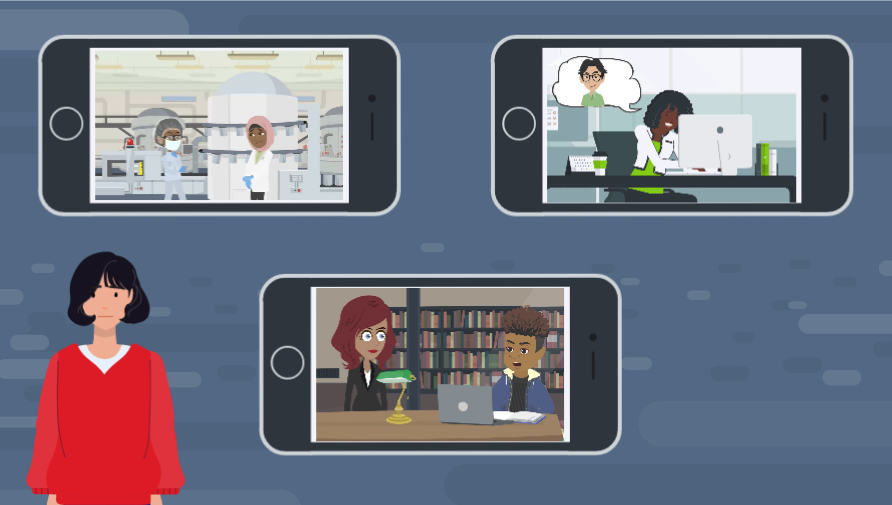
This short video explores the idea that feedback isn’t limited to written comments on assignments, it can appear in many different forms. Through three everyday academic scenarios, it shows how feedback might come up as a passing comment during a lab experiment, as peer-to-peer suggestions, or through a conversation during office hours. Recognizing these moments

Closing the Peer Feedback Loop – Going a Step Further
July 5, 2025
This video shows one student struggling to know how to fix their coding work, and zooms in on specific actions the student’s teacher and peer can take to help this student understand explicitly how to improve, with an emphasis on how students should conduct themselves when giving and receiving feedback.

Giving Collaborative Feedback
July 5, 2025
This resource depicts a student, who is struggling with being heard in his group, and gives three possible responses he could take to the collaborative issues he is facing. It concludes that providing peers with collaborative feedback is an effective means of improving one’s experience with group work.
Feedback Matters
July 5, 2025
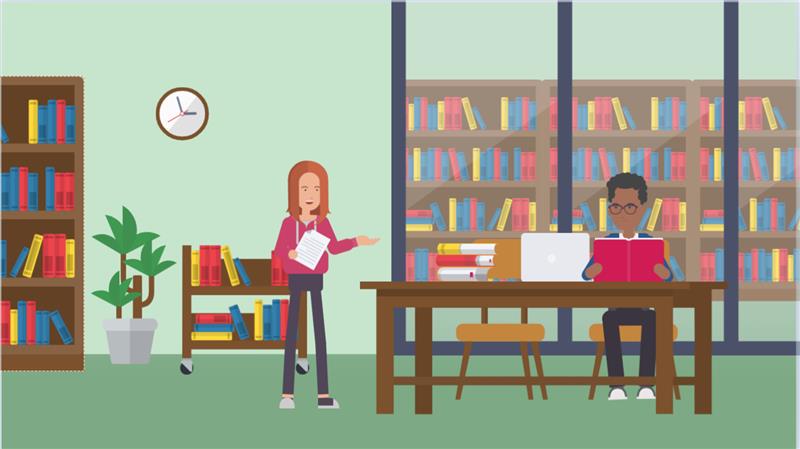
Feedback can be used in many different academic contexts: informal feedback, teacher feedback, peer feedback. This video shows students struggling to effectively use feedback and appreciate its value, then gives solutions to these issues to emphasize the important role feedback plays in education.

How to Ask About Feedback
July 1, 2025
This video tackles the awkwardness of asking about feedback and offers simple, practical phrases for doing so in various ways. By modelling a few easy prompts, it empowers students to engage with feedback more confidently.

Dealing with Disagreement During Feedback
July 1, 2025
Disagreements in group projects are inevitable, but they can escalate into conflict when met with defensiveness. This video models how pausing for explanation and engaging in open dialogue can turn tension into collaboration.
When Feedback Is Not Clear
July 1, 2025
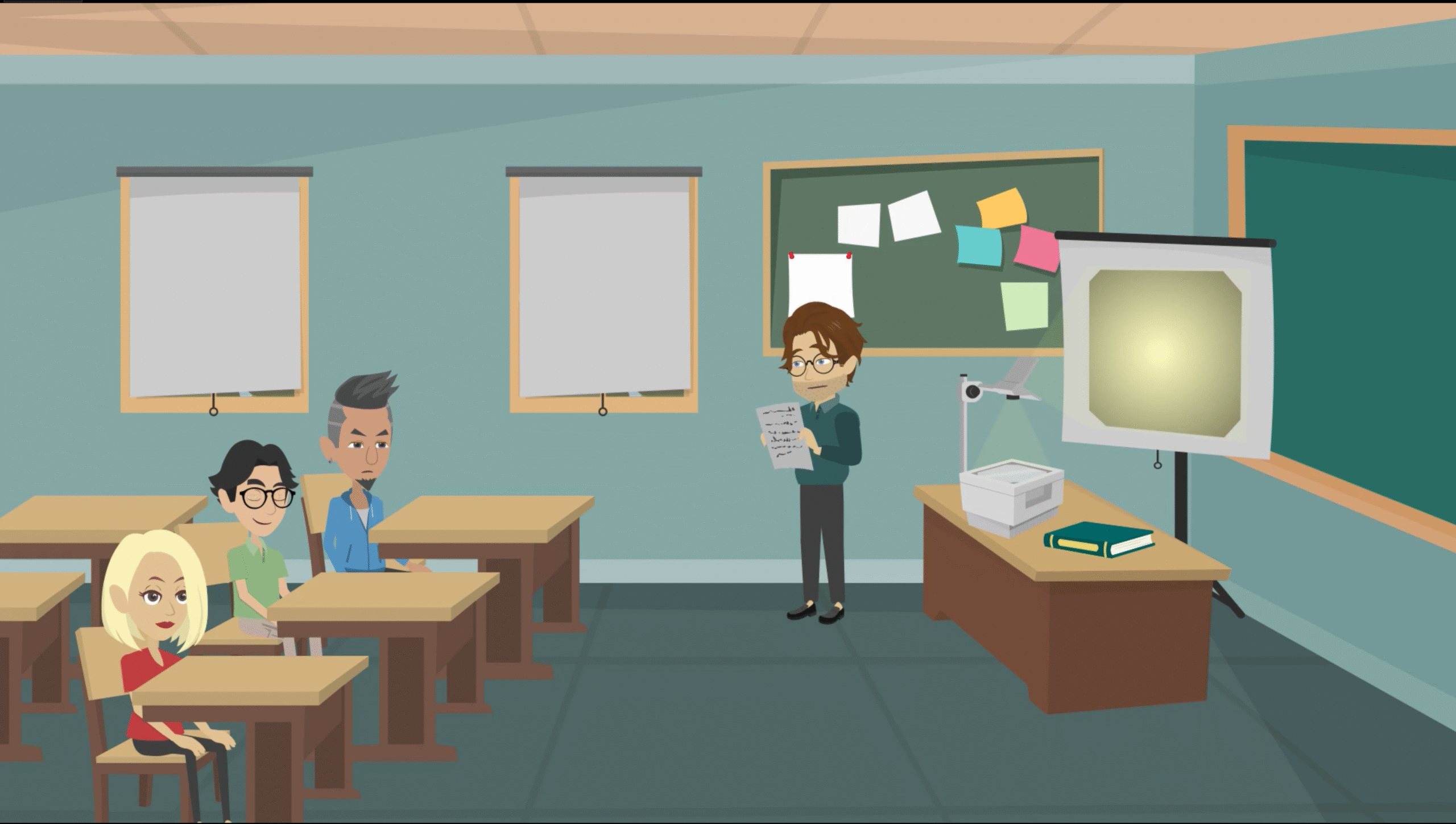
This video contrasts two student approaches to feedback- one who asks immediately, and another who hesitates. It models how simple questions can transform unclear feedback into actionable insight.
Managing the Emotions of Feedback
July 1, 2025
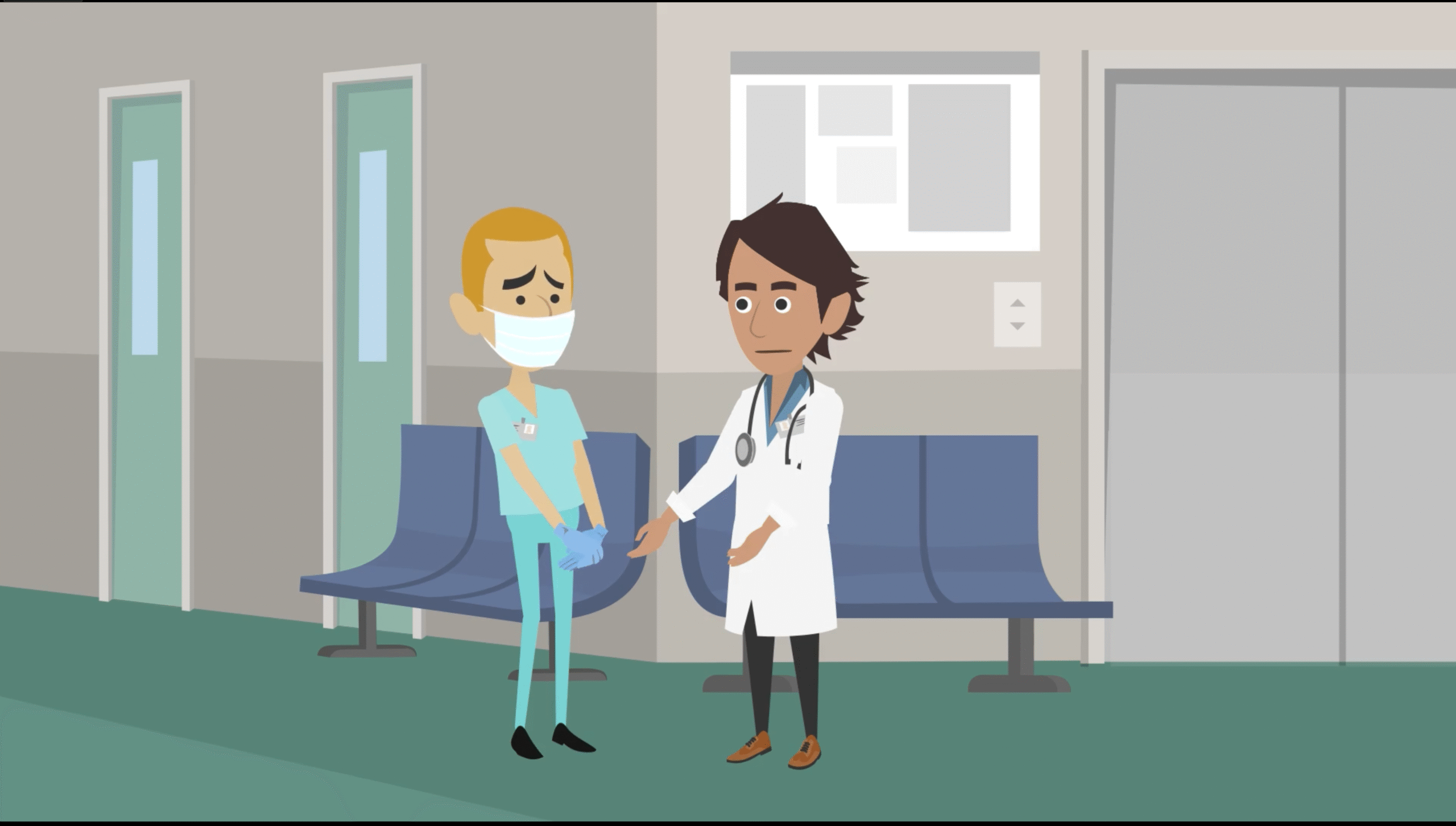
When feedback feels like criticism, it can prevent learning and decrease confidence. This video shows how empathy and reflection can shift that perception, helping students view feedback as an opportunity to grow.
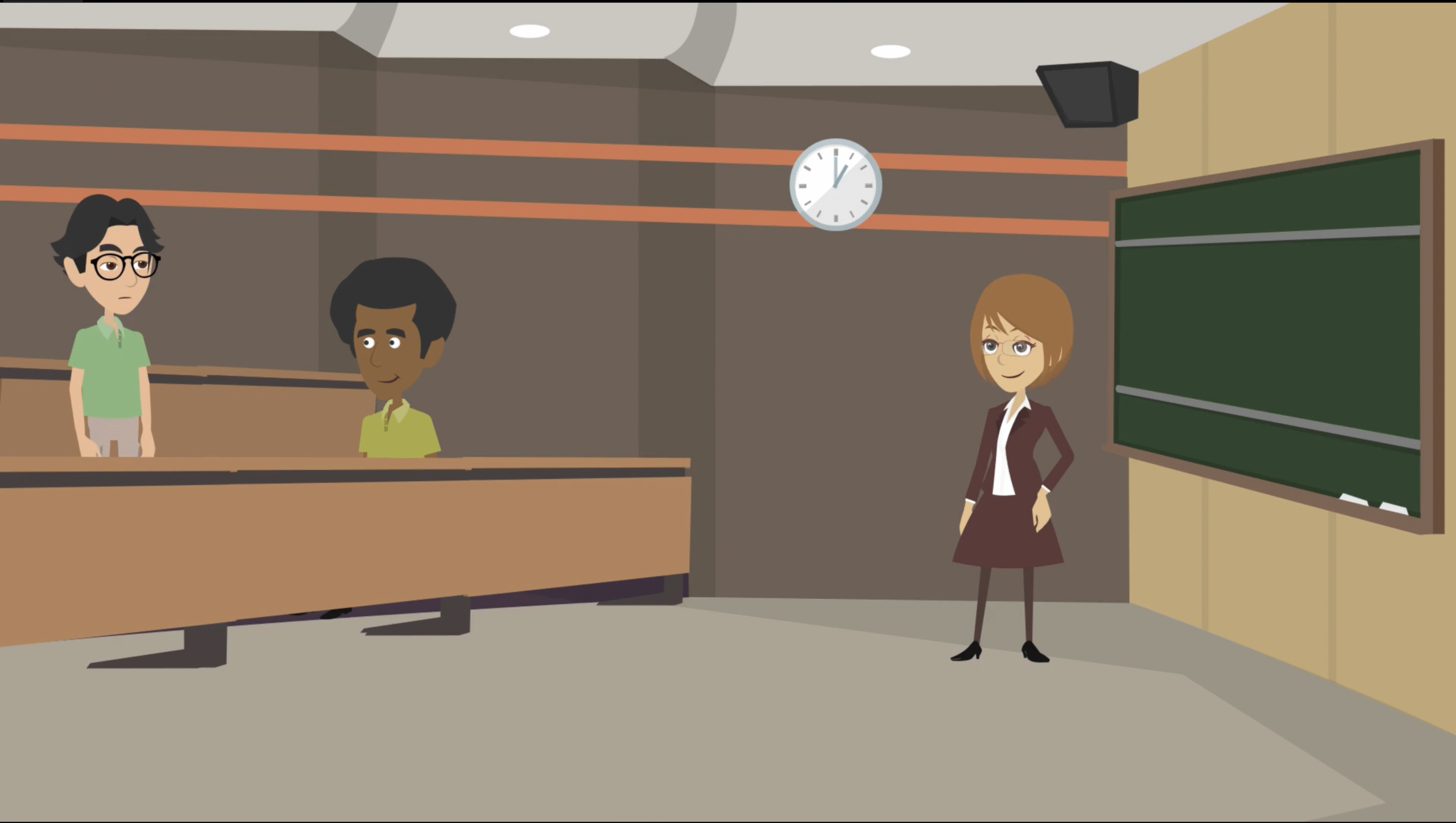
Overcoming the Fear of Feedback
July 1, 2025
Uncertainty around feedback often stems from fear of misunderstanding or being wrong. This video models how normalising questions and peer reassurance can empower students to seek clarification confidently.
Understanding Feedback Literacy
Please see below for references to highly cited papers in the field of feedback literacy.
References
Boud, D., & Molloy, E. (2013). Rethinking Models of Feedback for learning: the Challenge of Design. Assessment & Evaluation in Higher Education, 38(6), 698–712. https://doi.org/10.1080/02602938.2012.691462
Carless, D. (2006). Differing perceptions in the feedback process. Studies in Higher Education, 31(2), 219–233. https://doi.org/10.1080/03075070600572132
Carless, D., Salter, D., Yang, M., & Lam, J. (2011). Developing sustainable feedback practices. Studies in Higher Education, 36(4), 395–407. https://doi.org/10.1080/03075071003642449
Carless, D., & Winstone, N. (2020). Teacher feedback literacy and its interplay with student feedback literacy. Teaching in Higher Education, 28(1), 150–163. https://doi.org/10.1080/13562517.2020.1782372
Chong, S. W. (2020). Reconsidering student feedback literacy from an ecological perspective. Assessment & Evaluation in Higher Education, 46(1), 1–13. https://doi.org/10.1080/02602938.2020.1730765
Evans, C. (2013). Making Sense of Assessment Feedback in Higher Education. Review of Educational Research, 83(1), 70–120. https://doi.org/10.3102/0034654312474350
Gravett, K. (2022). Feedback literacies as sociomaterial practice. Critical Studies in Education, 63(2), 261–274. https://doi.org/10.1080/17508487.2020.1747099
Hattie, J., & Timperley, H. (2007). The Power of Feedback. Review of Educational Research, 77(1), 81–112. https://doi.org/10.3102/003465430298487
Molloy, E., Boud, D., & Henderson, M. (2020). Developing a learning-centred Framework for Feedback Literacy. Assessment & Evaluation in Higher Education, 45(4), 1–14. https://doi.org/10.1080/02602938.2019.1667955
Price, M., Handley, K., & Millar, J. (2011). Feedback: focusing attention on engagement. Studies in Higher Education, 36(8), 879–896. https://doi.org/10.1080/03075079.2010.483513
Sadler, D. R. (2010). Beyond feedback: developing student capability in complex appraisal. Assessment & Evaluation in Higher Education, 35(5), 535–550. https://doi.org/10.1080/02602930903541015
Sutton, P. (2012). Conceptualizing feedback literacy: knowing, being, and acting. Innovations in Education and Teaching International, 49(1), 31–40. https://doi.org/10.1080/14703297.2012.647781